The 'Real Me' Is Getting Old: How Creators Burned Out Their Audiences by Being Too Much
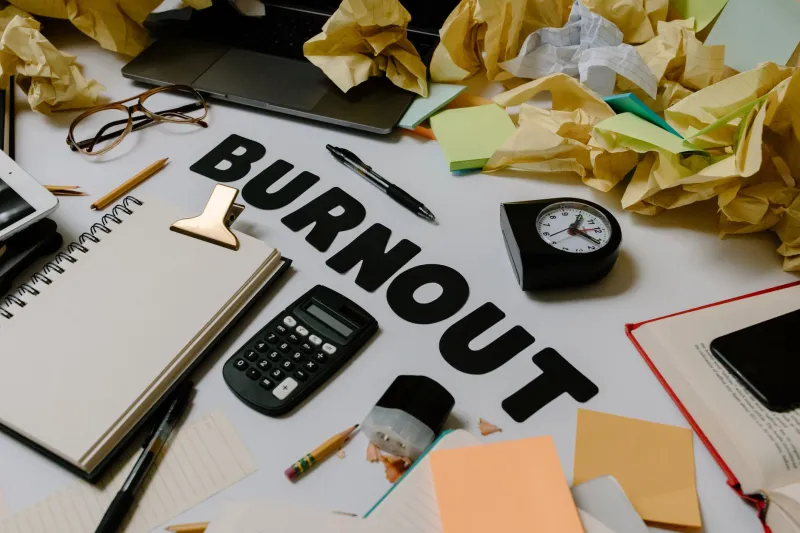
Remember when 'authentic content' felt like a breath of fresh air? When a creator dropped the polish and just talked directly to camera, it felt almost radical. Intimate. Like you were getting something the algorithm couldn't manufacture.
That was then. Now? Authenticity has become the algorithm. And somewhere in that transformation, it stopped working the way anyone intended.
How We Got Here
The push toward raw, unfiltered content made a lot of sense in context. Audiences were getting savvy to the sheen of traditional media and advertising. They could smell the script. So creators — YouTubers, podcasters, Instagram personalities — started leaning into imperfection as a brand strategy. No makeup. Messy backgrounds. Crying on camera. Oversharing about relationships, mental health, finances, family drama.
And for a while, it worked spectacularly. Engagement went up. Parasocial bonds deepened. People felt like they genuinely knew these strangers on their screens.
But here's the thing about intensity: it has a ceiling. There's only so much emotional labor an audience can absorb before they start pulling back — not because they stopped caring, but because the relationship started to feel like a drain rather than a source of something good.
That's authenticity fatigue. And it's real, it's widespread, and most creators still aren't talking about it honestly.
The Parasocial Trap
Parasocial relationships — the one-sided bonds we form with public figures, creators, and characters — aren't new. People felt like they knew Johnny Carson. They grieved when they lost Robin Williams. The dynamic is deeply human.
What's changed is the scale and the pace. Social media collapsed the distance between creator and audience to almost nothing, and the demand for constant access followed. The audience that once felt grateful for a weekly video now expects daily Stories, live streams, comment replies, and behind-the-scenes content. The relationship that started as a pleasant connection quietly became a transaction with increasingly high stakes.
For creators, the pressure to keep feeding that beast leads somewhere dark pretty fast. You start performing vulnerability because you know it converts. You share things you're not fully ready to share because the last time you did, the numbers spiked. You start to lose track of where the real you ends and the content you ends.
For audiences, the problem is subtler but just as corrosive. When everything is framed as deeply personal and urgent, nothing actually feels that way anymore. The tenth mental health check-in, the fifteenth apology video, the endless cycle of crisis and recovery — it starts to blur. Viewers don't stop caring, exactly. They just get numb.
What Audiences Actually Want (Versus What We Think They Want)
Here's a distinction worth sitting with: there's a difference between connection and confession.
Audiences don't actually need to know everything. What they need is to feel like the person on the other side of the screen is genuinely present — that there's a real human there making real choices, with a real point of view. That's not the same as watching someone emotionally unravel in real time.
Some of the most beloved figures in American entertainment — people who've built decades-long careers and loyal followings — maintained a meaningful degree of mystery. They shared enough to feel human. They withheld enough to stay interesting. That balance isn't manipulation. It's craft.
The creators who are quietly thriving right now tend to understand this intuitively. They're not necessarily the most confessional. They're the most considered. There's a sense that they've thought about what they're sharing and why — that what you're seeing is chosen, not just poured out.
A Different Framework for Building Real Connection
So if constant vulnerability isn't the answer, what is? A few things worth considering:
Share your perspective, not just your feelings. An opinion, a take, a genuine reaction to something happening in the world — that's connection. It invites the audience in without asking them to carry your emotional weight.
Consistency beats confession. Showing up reliably, with something worth their time, builds more trust than any single dramatic reveal. The audience learns they can count on you. That's a more durable bond than sympathy.
Protect something. You don't owe the internet every corner of your life. Keeping parts of yourself private isn't dishonest — it's sustainable. The creators who last longest tend to have a core that the audience never fully reaches, and that's actually part of the appeal.
Let the work speak. Sometimes the most authentic thing you can do is just make something really good and let it stand on its own. Not everything needs context, backstory, or a personal essay attached.
The Bigger Picture
There's a cultural reckoning happening right now around what we actually want from our relationship with creators and public figures. The pendulum swung hard toward radical transparency, and now it's swinging back. Audiences are tired. Creators are burned out. The model needs to evolve.
That doesn't mean going back to the polished, untouchable celebrity of a previous era. Nobody wants that either. What people are actually craving — and this is the thing worth paying attention to — is intentionality. Content that feels like it was made with care. A presence that feels considered rather than compulsive.
Authenticity was always supposed to be about honesty. Somewhere along the way, it became about volume. Turning it back into something that actually serves both the creator and the audience means remembering that distinction.
Real connection doesn't require total exposure. It requires showing up as yourself — but yourself on your own terms.