Slow Is a Strategy: Why the Best Creators in the Game Refuse to Rush
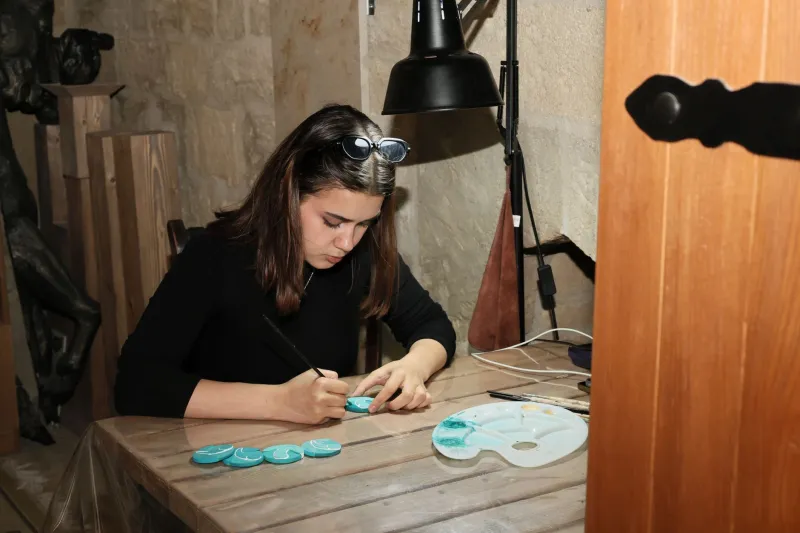
Let me say something that the productivity crowd is going to hate: some of the most important creative work of the last several decades came from people who were, by modern standards, appallingly slow.
They didn't post daily. They didn't maintain a content calendar. They didn't optimize their release schedule for algorithmic windows. They made things carefully, revised them obsessively, released them when they were ready, and then went quiet until the next thing was actually done.
And their careers outlasted almost everyone who was moving faster.
The Cult of Constant Output
Somewhere in the last decade, the creator economy developed a consensus belief that feels so obvious now that most people have stopped questioning it: you have to keep producing. Consistency is king. The algorithm rewards frequency. If you go quiet, your audience forgets you exist.
There's a kernel of truth in there — genuine neglect of an audience has consequences, and some platforms do penalize inactivity. But the conclusion that creators have drawn from this — that output should be relentless, that something is always better than nothing, that the pace of production is itself a form of credibility — is worth examining a lot more carefully.
Because what that belief actually produces, when followed faithfully, is a lot of mediocre work released on schedule. And mediocre work released on schedule isn't building a career. It's filling a content slot.
What Patience Actually Buys You
There's a reason that certain names in entertainment carry a weight that others don't. It's not always about raw talent — the industry is full of talented people. It's often about the relationship between that talent and time. The willingness to sit with something until it's right. To not release the version that's almost there. To trust that the audience will still be there when you're actually ready.
That patience buys you something that's genuinely hard to manufacture: a reputation for quality. When your name on a project means something — when people know that you don't put things out until they're worth putting out — your releases carry a different kind of weight. There's anticipation. There's trust. There's the sense that whatever you've been working on is worth paying attention to, because you clearly thought so too.
This is a long game. It doesn't show up in monthly analytics. But it compounds in ways that the high-frequency model simply doesn't.
Strategic Silence Is Not the Same as Disappearing
One of the most persistent myths in the creator space is that going quiet means going away. That if you're not producing content, you're not building your career. This conflates visibility with progress — which is understandable, because visibility is measurable and progress often isn't.
But consider what actually happens when a respected creator goes quiet for an extended period and then resurfaces with something genuinely excellent. The conversation around that return is almost always larger than anything they could have generated through consistent, incremental output. The absence created space for anticipation. The quality of the return justified the wait. And the cultural moment around the release is amplified precisely because it wasn't one of fifty things that person released that year.
Strategic silence requires confidence, which is why it's rare. You have to be secure enough in your relationship with your audience to trust that the work will bring them back. That's a harder thing to maintain when the metrics are telling you that your numbers are slipping. But the creators who can hold that line tend to come out the other side with something more valuable than consistent traffic — they come out with a body of work they're actually proud of.
The Refinement Advantage
Here's something the rush-it-out culture doesn't talk about enough: the difference between a good version of something and a great version is almost always found in the revision. Not the first revision — the fourth or fifth one. The pass you make after you've let the thing sit for a month and come back to it with fresh eyes. The note you take from a trusted collaborator that you initially resisted and eventually realized was right.
That kind of refinement is only possible if you're not already on to the next thing. And in a production culture that treats turnaround time as a virtue, most creators never get there. They're already filming the follow-up before the first version has had time to breathe.
The work that endures — the albums people still listen to twenty years later, the films that get taught in schools, the books that get pressed into the hands of strangers — almost always has that quality of having been worked on until it couldn't be improved. Not perfect, but considered. Not rushed, but ready.
Reclaiming Your Timeline
None of this is an argument for indefinite delay or chronic perfectionism — those have their own pathologies, and plenty of great work has died in development because its creator couldn't let go. There's a difference between taking the time something needs and using "I'm not ready" as a permanent shield against the vulnerability of releasing anything at all.
The goal is a relationship with your own timeline that's honest. One where you know the difference between "this needs more time" and "I'm scared to put this out." Where your release schedule is driven by the work rather than by external pressure or algorithmic anxiety.
That kind of creative autonomy is hard to maintain in an environment that's constantly telling you to produce more, faster. But the creators who figure out how to protect it tend to build something that lasts.
And lasting, in entertainment, is the whole point.